Ep. 14 | All Roads Lead to the Eiffel Tower: Iron, Wine, and Life’s Crossroads in Paris
Dawn of a New Architectural Era
Paris is often described as an open-air museum. The city cradles an astonishing concentration of cultural heritage: grand institutions housing centuries of masterworks, uniform limestone boulevards that still evoke the Belle Époque, and landmarks that fundamentally redirected the history of architecture. Among them, the Eiffel Tower stands as the definitive herald of the modern era.
It is well documented that when Gustave Eiffel’s tower was first erected for the 1889 Exposition Universelle, nearly every prominent Parisian intellectual and local resident despised it. Looking at Paris through the lens of the late 19th century, that hostility is completely understandable. In a city where every facade was carved from cream-colored Lutetian limestone, planting a monumental, exposed puddle-iron lattice tower right in the historic center was nothing short of shocking.
Scale made it even more radical. When construction broke ground in 1887, the tallest man-made structure on Earth was the Washington Monument in Washington, D.C., standing at 169 meters. Upon completion, the Eiffel Tower claimed the world record at an unprecedented 300 meters. Overnight, the ceiling of human construction surged upward by over 130 meters. To the people of that era, such a jarring leap in vertical scale must have felt less like progress and more like an imposing monolith.
An Unavoidable Presence
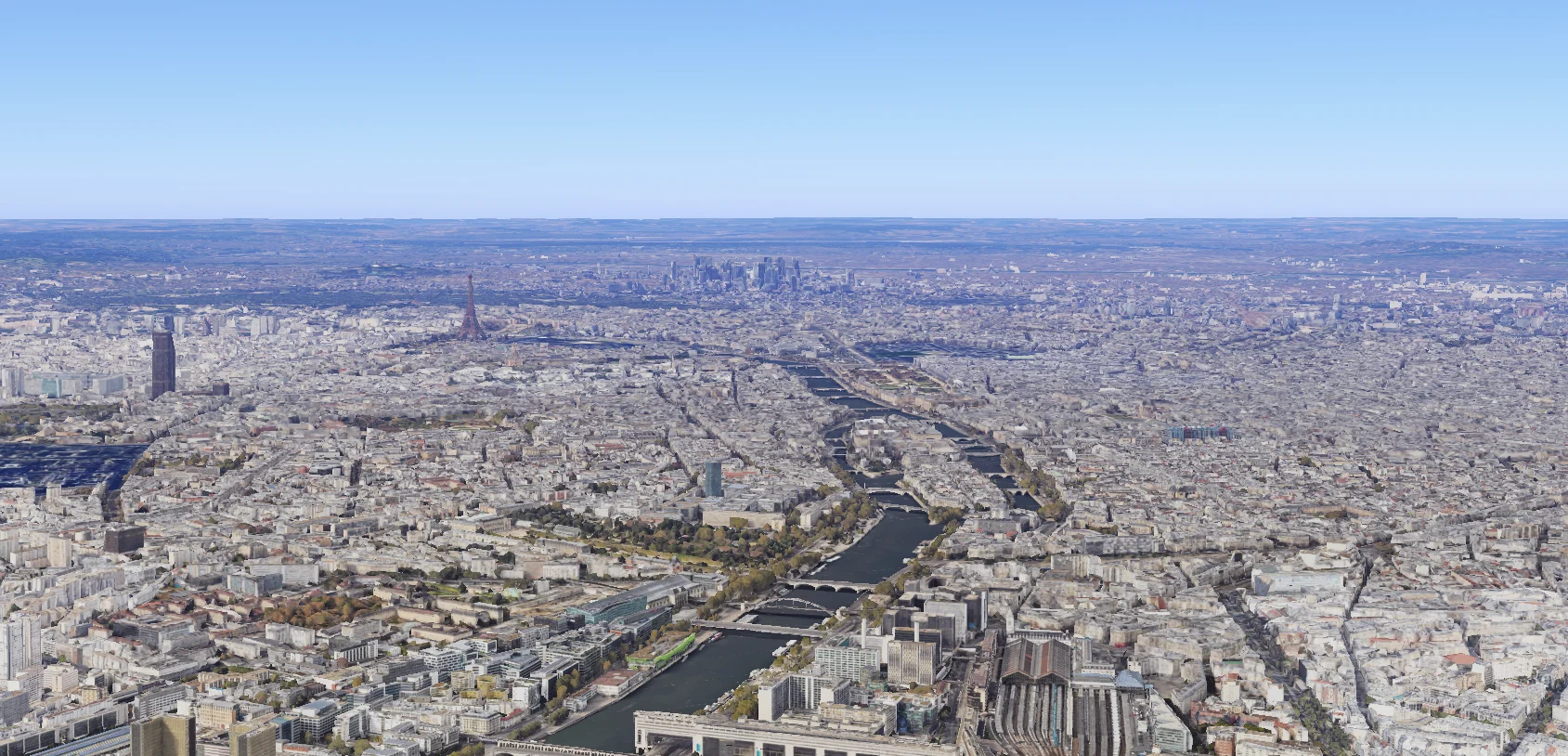
The first thing you notice in Paris is the low, human-scale skyline. You can take in the city without constantly tilting your head back. While a handful of modern high-rises exist on the perimeter, the central districts—especially the 1st through 4th arrondissements—remain strictly low-slung. Nothing competes with the Eiffel Tower. Its height remains entirely solitary and peerless.
Because of this dominance, the tower peeks through from nearly every elevated vantage point or rooftop terrace across the capital. In the 7th arrondissement where it stands, as well as the neighboring 8th and 15th, adjusting your angle down a narrow cobblestone alley often reveals an unexpected framed view of iron. It greets you through the airplane window during takeoffs and landings at Charles de Gaulle and Orly.
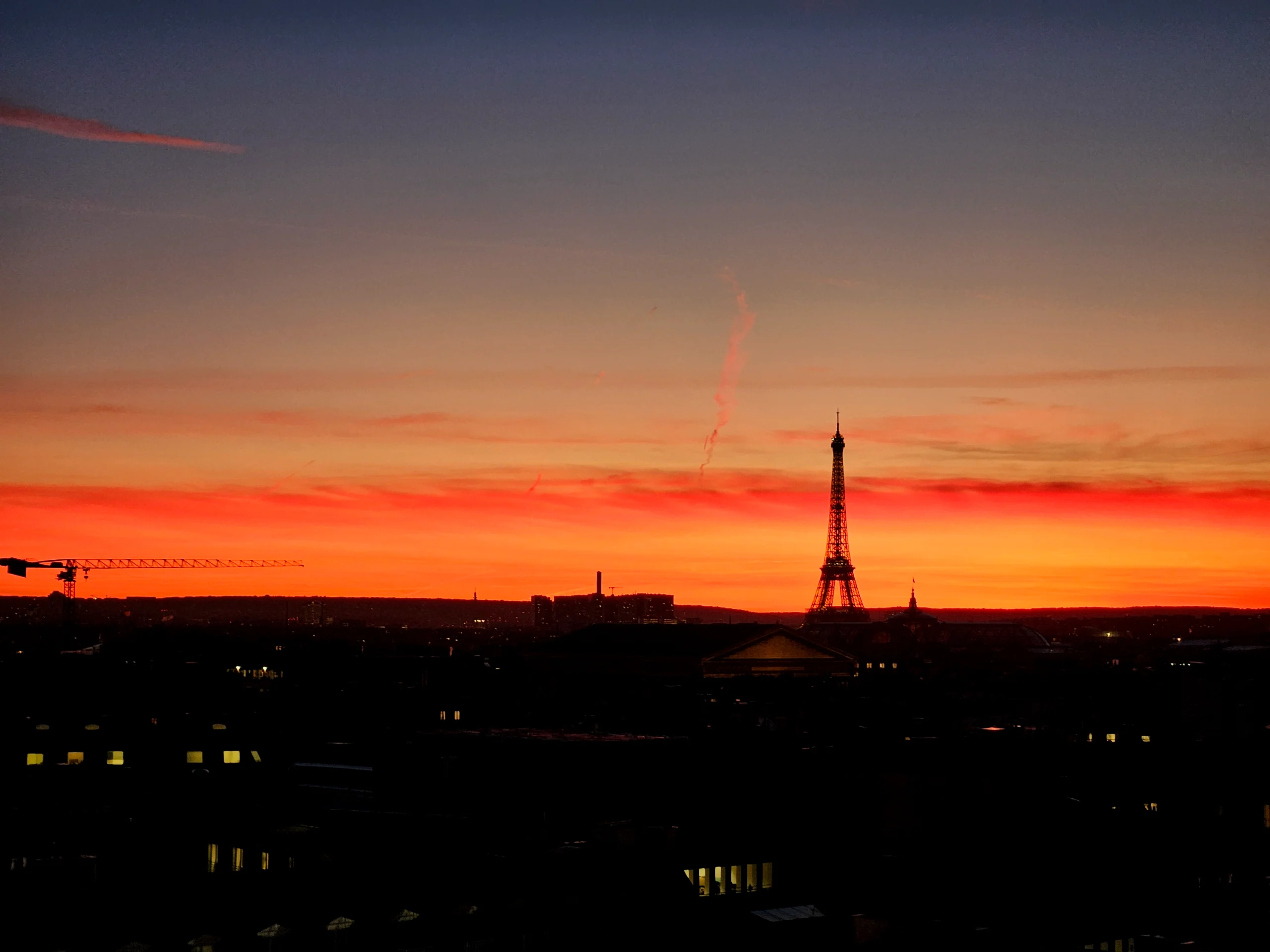
These unscripted encounters are often the most delightful parts of traveling through Paris. I’ve rounded a quiet corner while following a photographer for an impromptu photoshoot only to be greeted by the tower rising between Haussmannian apartments; I’ve stepped onto the rooftop observatory of Galeries Lafayette to find its iron silhouette resting quietly against a winter twilight.
The curious irony is that across nearly a month spent in Paris over several journeys, I have intentionally made a dedicated trip to its base only once—and I have never actually ridden the elevators to the top. Yet whenever I picture Paris, my mind immediately returns to the Eiffel Tower and those serendipitous moments crossing paths with it across the city. The tower simply permeates the entire Parisian experience.
The Tower from Back Then
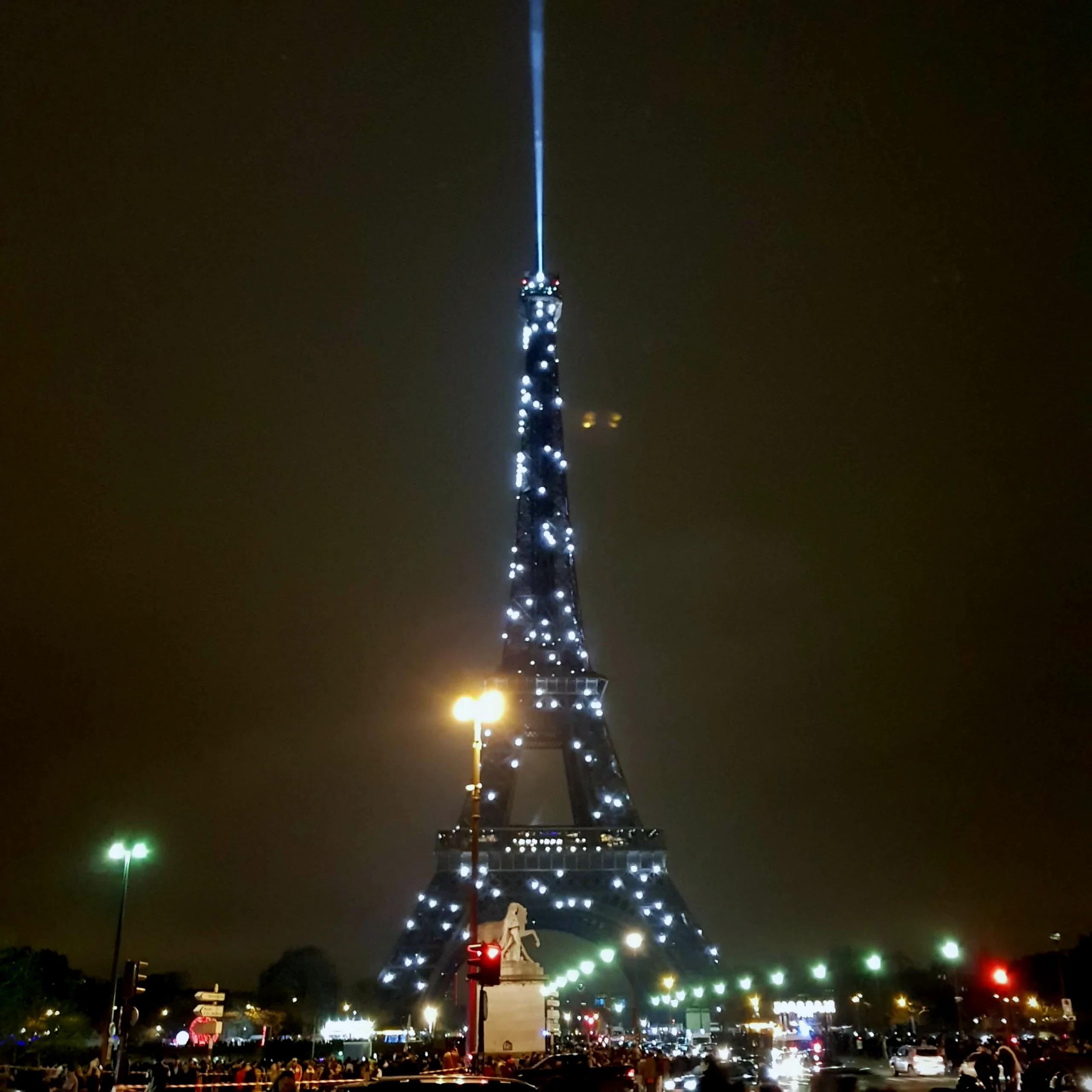
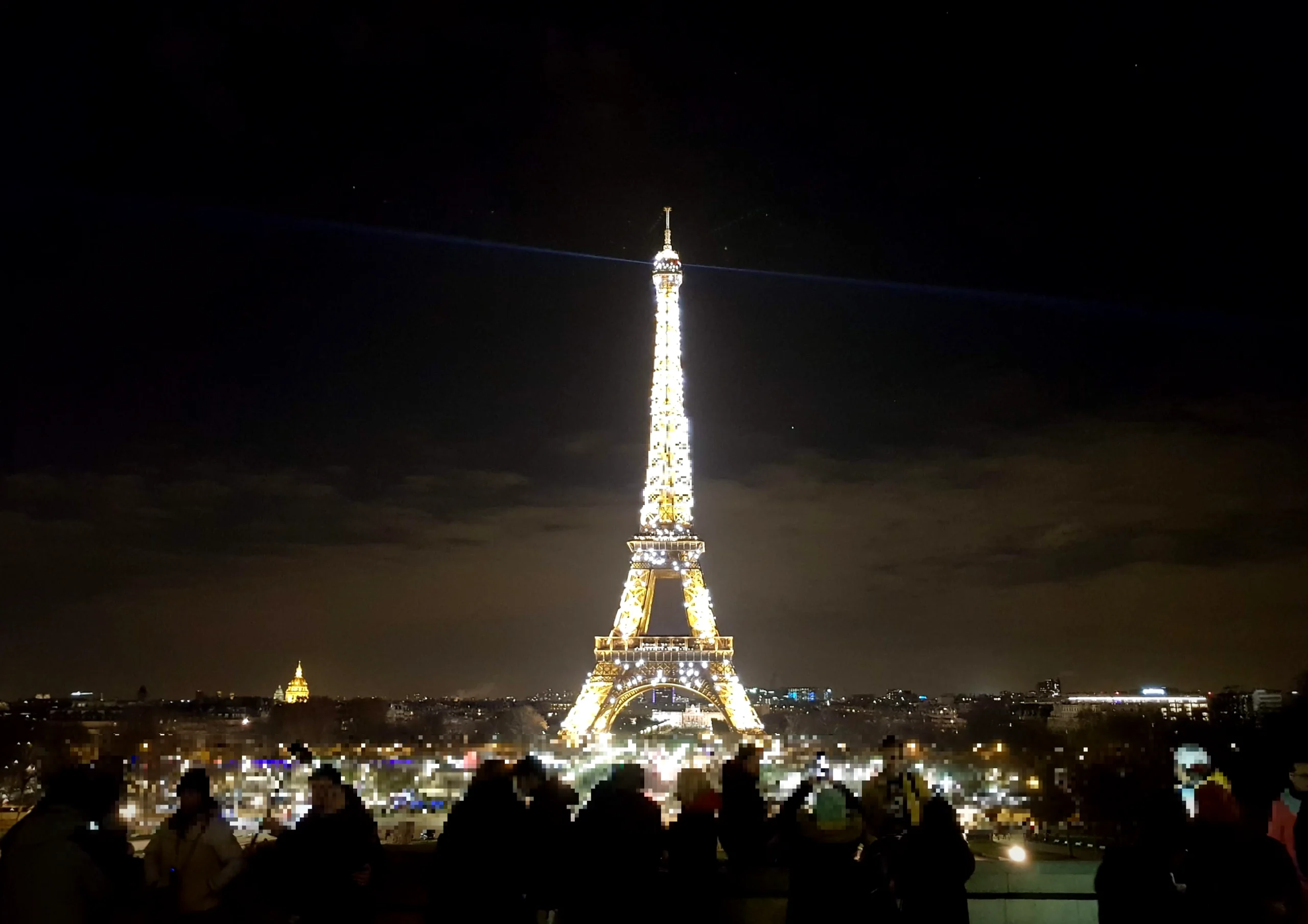
Years ago, during an earlier journey to Paris, I walked up to the esplanade of the Palais de Chaillot at night with a friend I had crossed paths with on the road. We carried a single bottle of red wine.
The winter air was sharp, and the plaza was packed with travelers. We staked out a clear spot overlooking the Trocadéro gardens, uncorked the bottle, and passed it back and forth as we talked.
Our conversation wasn’t profound—mostly rambling stories, punctuated by long stretches of silence. Yet the sensory memory of that night remains intensely vivid. The warmth of the wine pushed back the cold, and whenever our words tapered off, the glittering golden lights of the tower quietly filled the void.
Back then, having recently graduated from university, I was standing at an uncertain, pivotal crossroads in life. Looking up at the Eiffel Tower—a structure that had survived blistering condemnation and ferocious backlash at its birth, only to stand tall as the defining landmark of the world’s most celebrated capital—brought immense, quiet comfort.
Returning to Paris on this trip, the tower still glittered with the same timeless brilliance. But this time, my own life had also settled on a much firmer, more resilient foundation, not unlike that sturdy iron lattice.
I have eaten extraordinary meals in Paris, stood before world-class art, and wandered through endlessly charming streets. Yet whenever I think of Paris, I am always pulled back to that quiet winter night beneath the iron arches.
To me, all of Paris still leads back to the Eiffel Tower.