
Ep. 17 | There Was a Colmar Bakery in My Neighborhood: Stepping into a Ghibli Storybook in Alsace
ChatGPT and Studio Ghibli
Recently, using AI to transform photos into the distinct visual style of Hayao Miyazaki’s Studio Ghibli became a viral sensation. It was a clear reminder of just how universally beloved Ghibli’s aesthetic is, and how deeply those films are woven into our collective nostalgia. I was no exception—I grew up humming along to the soundtrack of My Neighbor Totoro.
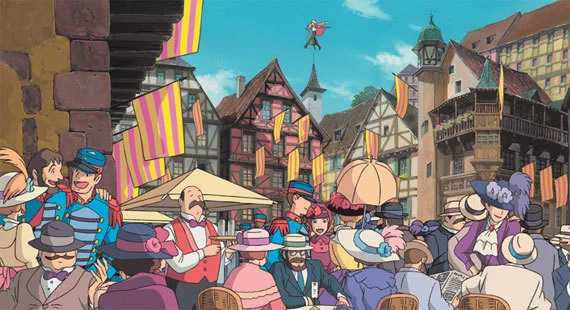
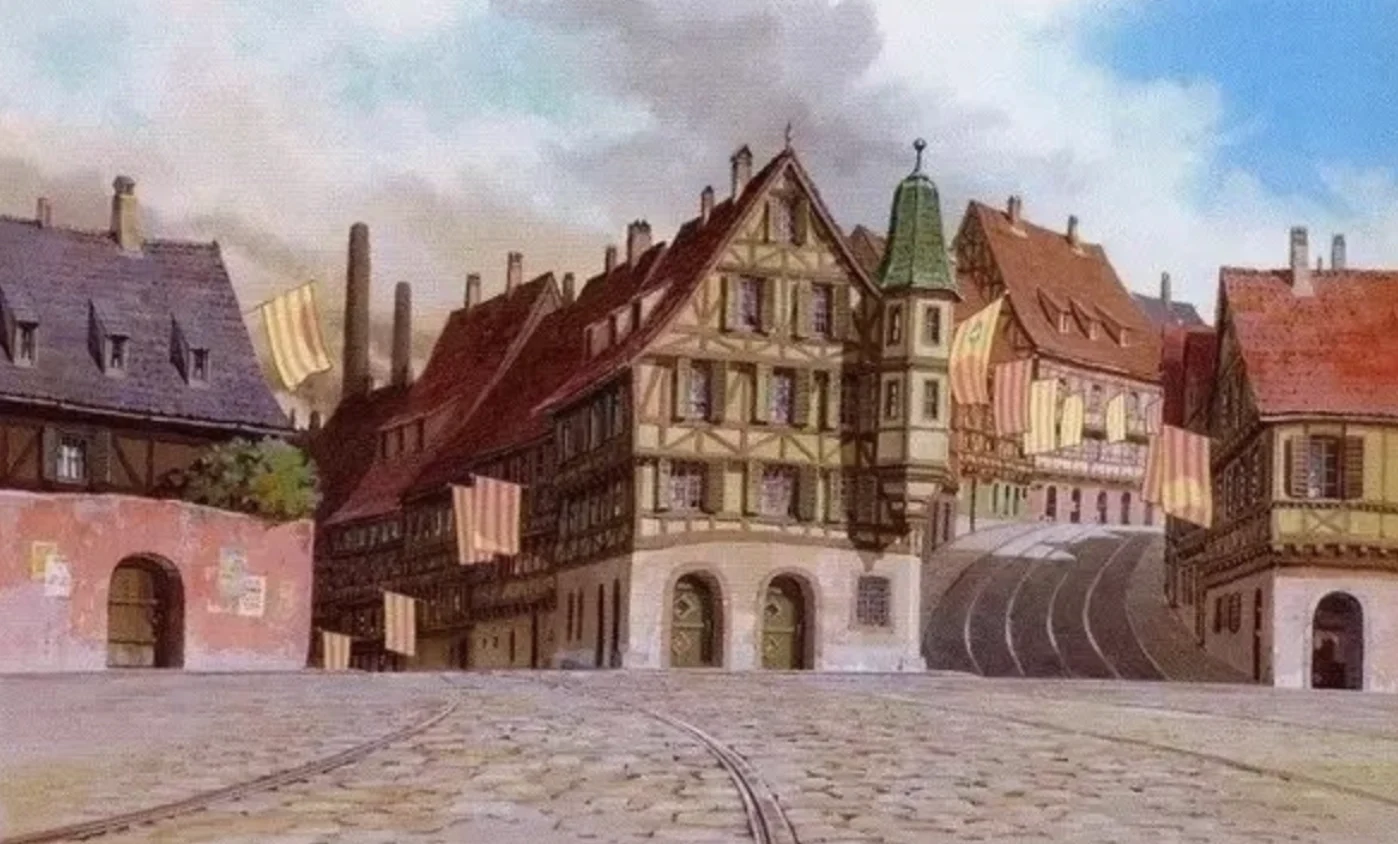
Among Ghibli’s catalog is Howl’s Moving Castle. While the film’s main theme, “Merry-Go-Round of Life,” was undeniably captivating and the whimsical European town in the background was stunning, the film itself hadn’t left an indelible, lifelong mark on me at the time.
The Neighborhood Bakery Named Colmar
Years later, a new bakery named “Colmar Bread” opened near my neighborhood.
Curious about the name, I asked around and learned that the owner had been inspired by a fairytale village in northeastern France called Colmar, feeling its warm, artisan charm perfectly matched the bakery’s identity.
Looking up Colmar online, I found photos of a town that looked like it had been lifted straight out of a storybook. Moments later, I realized this very town was the real-world architectural inspiration behind Howl’s Moving Castle. From that afternoon onward, Colmar quietly cemented itself on my list of places I had to visit at least once in my life.
When planning this trip, I debated heavily over whether to add Colmar to the itinerary. Our visit to Strasbourg was already a tight day trip from Paris; carving out extra hours to squeeze in Colmar seemed logistically ambitious.
Yet I couldn’t resist the combined pull of an animation I had admired in my youth and the neighborhood bakery I used to visit for morning pastries. As adults, we all indulge in one or two things we longed for as children but couldn’t have—much like earning your very first paycheck and immediately splurging on the snacks that once felt out of reach. With that mindset, I committed to a whirlwind four-hour detour to Colmar.
A Four-Hour Detour Through a Storybook
Departing Paris Gare de l’Est at 8:00 AM, we transferred at Strasbourg and pulled into Colmar Station around 11:20 AM. Leaving the modest station behind, we began walking toward the historic Old Town where the pastel-colored timber houses cluster.
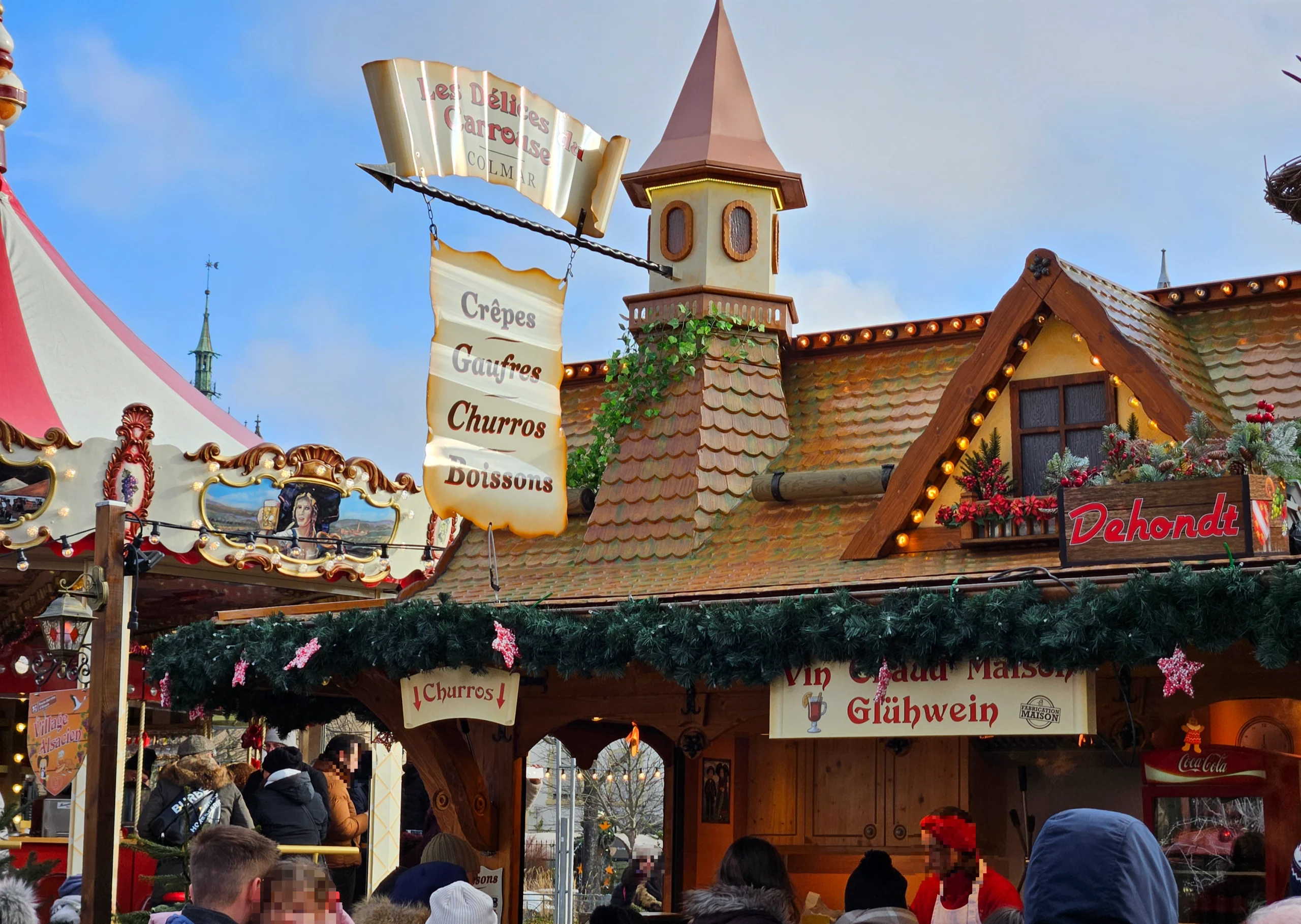
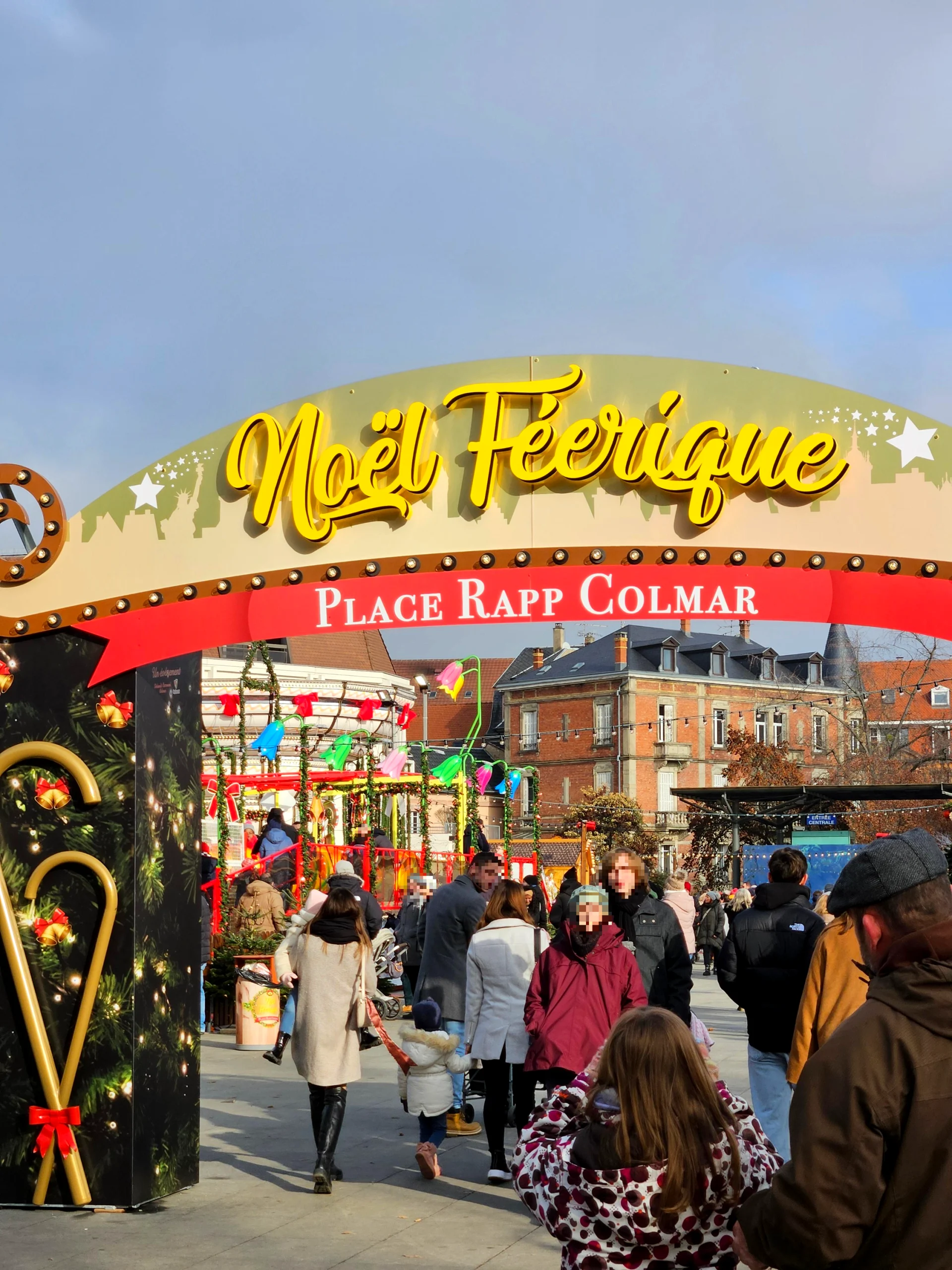
En route, we stumbled upon a small, quiet Christmas market tucked inside the Parc du Champ de Mars. Compared to the dense crowds waiting in the Old Town, the park was refreshingly calm. Without any wait, we stepped up to a charming carousel bar, grabbed a hot mug of vin chaud, and let the warm spices push away the morning chill while spinning slowly beneath the holiday lights.
Inside the Fairytale
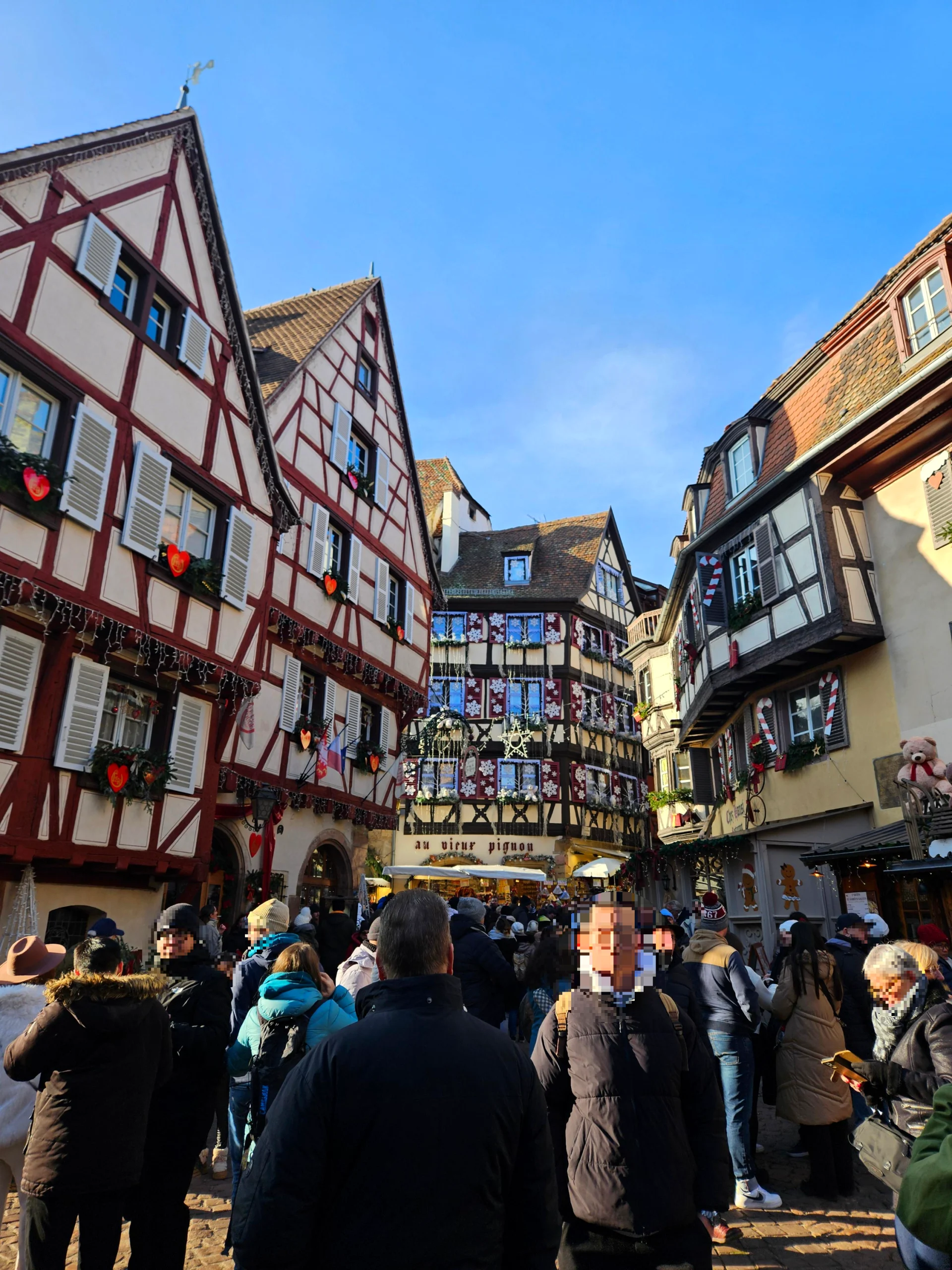
Stepping into Colmar’s Old Town, we were instantly swept up in a sea of holiday visitors. Yet despite the crowds, the scenery remained purely enchanting.
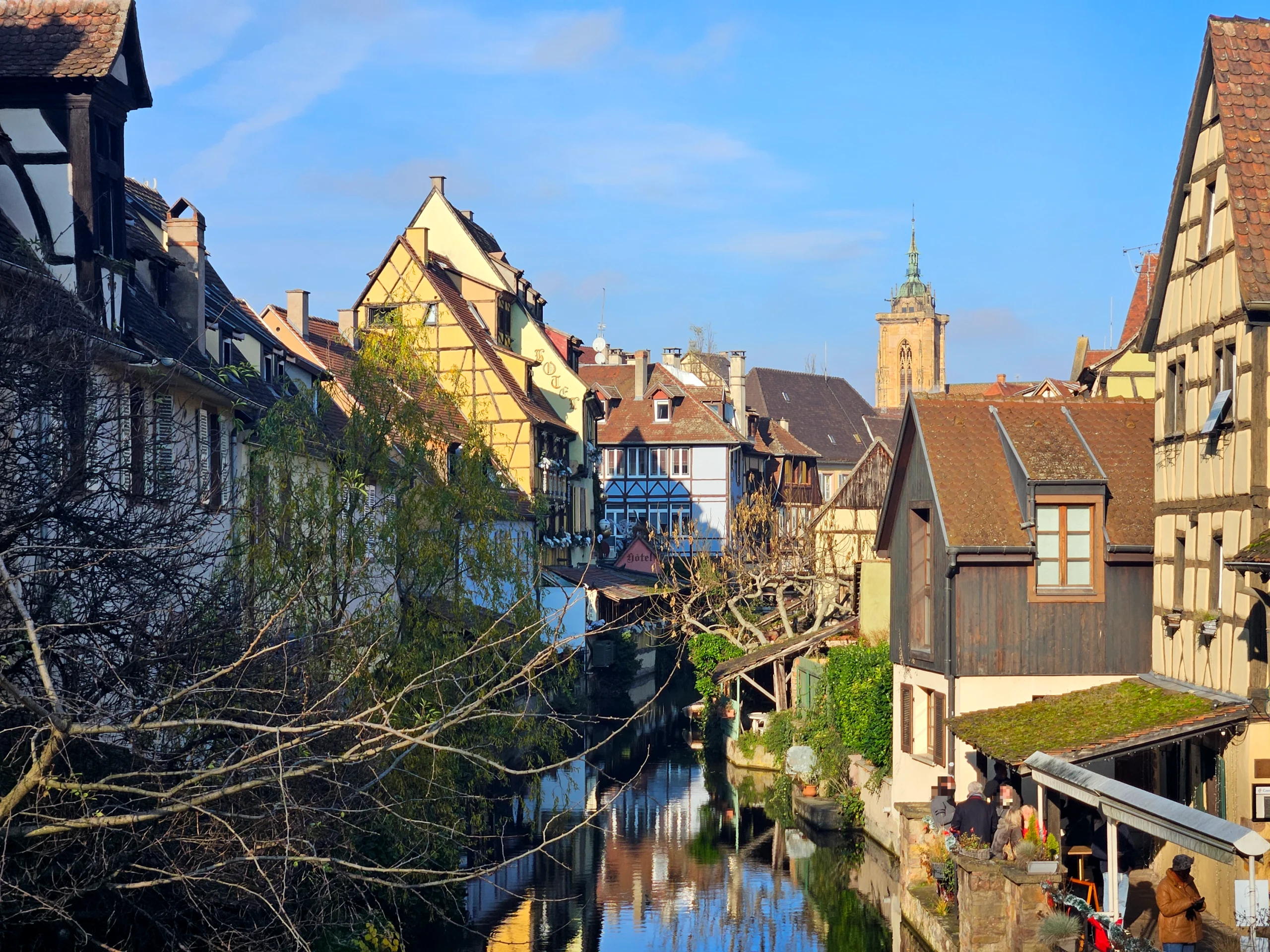
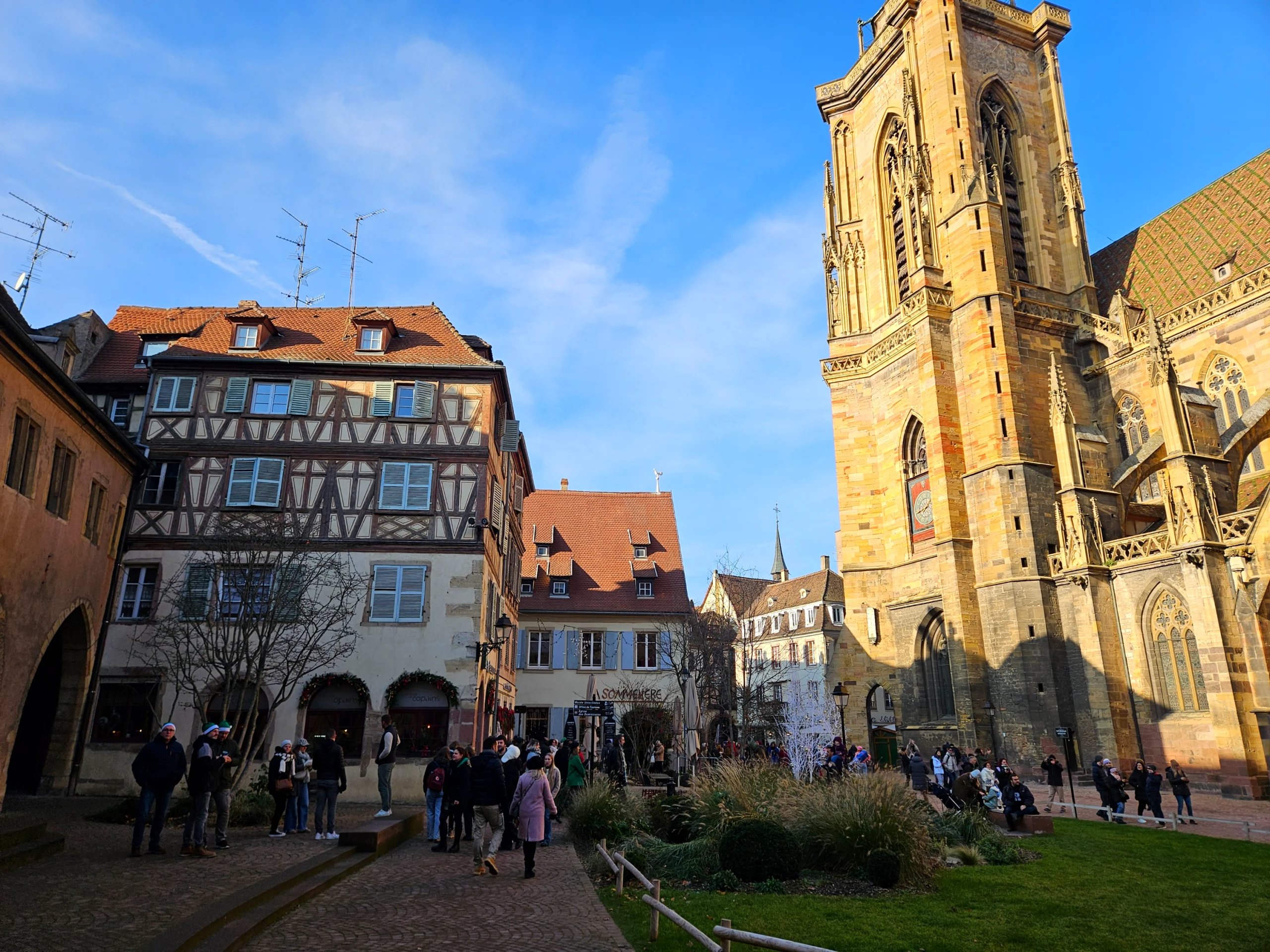
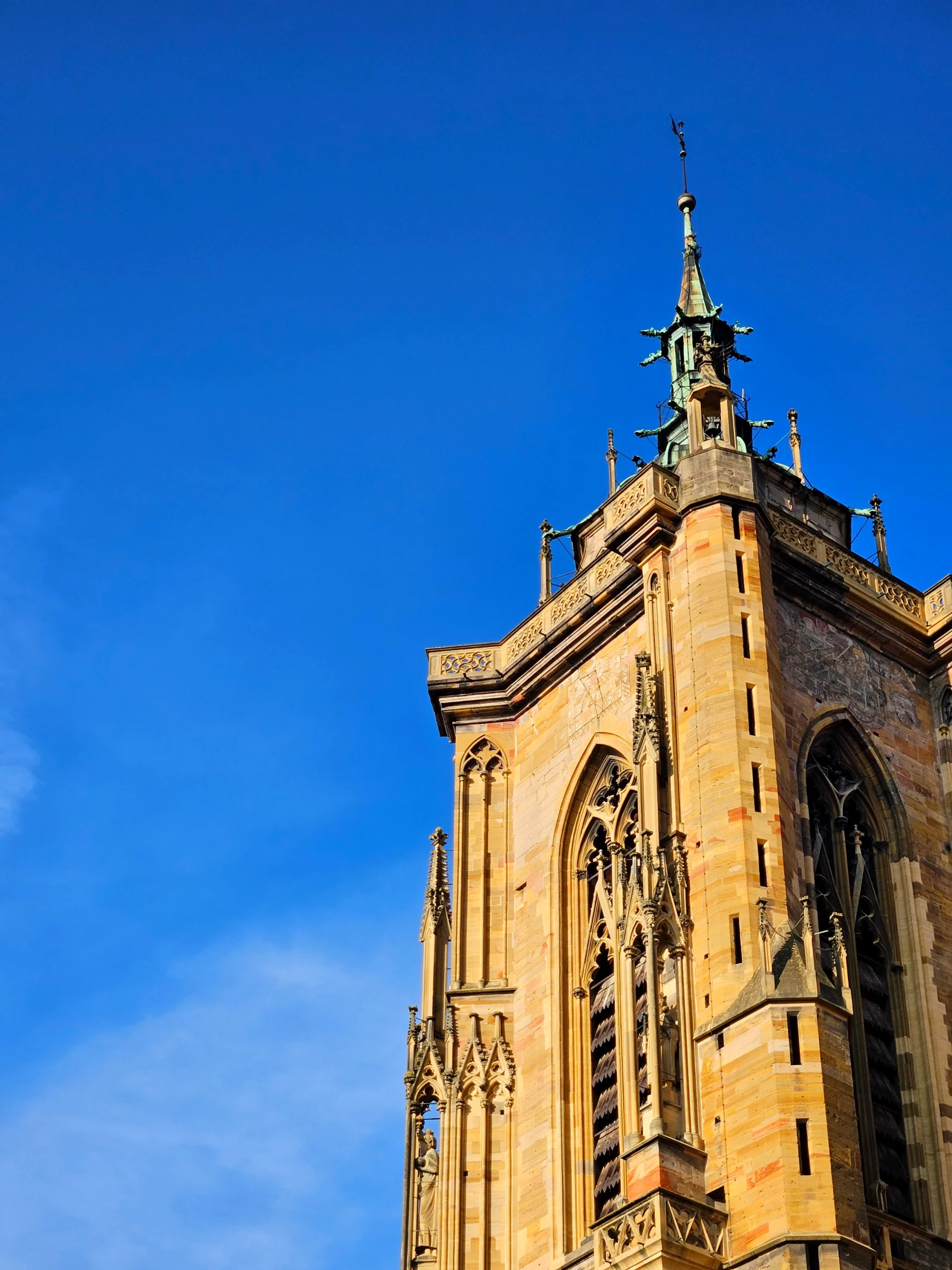
The vibrant, half-timbered architecture I had only ever seen on screen, the gentle canals of Petite Venise (Little Venice) winding between floral facades, and the soaring Gothic presence of Saint Martin Church (Collégiale Saint-Martin) immediately justified why I had wanted to come here so badly.
In truth, your options during peak Christmas season are somewhat constrained. Because the holiday market draws massive crowds from all over Europe, sitting down at a traditional bistro or catching a flat-bottomed boat ride along the Lauch River requires hours of waiting in line.
Instead of lingering over a full sit-down lunch, we grabbed quick street bites from market stalls, and rather than strolling at our own relaxed pace, we were often gently carried along by the momentum of the crowd. Even so, standing among those historic timber houses, I felt zero regret about making the detour.
Many travel reviews suggest that three to four hours is plenty of time for Colmar because the Old Town is compact. I agree with that assessment to an extent—four hours was certainly enough to walk every central cobblestone alley.
However, leaving Colmar left me with a completely different conclusion: while four hours is enough to see the Old Town, it is wildly insufficient to truly experience Colmar and the broader Alsace region.
It sparked a strong desire to return in late spring, early summer, or autumn when the tourist swell subsides. I envisioned a leisurely three-to-four-day road trip: lingering in outdoor cafes, savoring hearty Alsatian specialties like baeckeoffe, choucroute, and flammekueche (tarte flambée), and driving along the Alsace Wine Route to explore quiet historic hamlets like Obernai, Orschwiller, and Riquewihr alongside local vineyard tastings.
Travel Is Ultimately an Act of Choice
The more I travel, the clearer it becomes that travel is ultimately defined by choice. It is impossible to see every corner of the Earth in a single lifetime, which forces you to prioritize destinations that hold personal meaning and resonance.
Weighing every trade-off, Colmar and the Alsace countryside proved to be a place I undeniably want to return to. With a new travel dream quietly mapped out and a slight reluctance to leave, we stepped back onto the platform and boarded the regional train to Strasbourg.