Ep. 03 | Venturing 250km Deeper into the Arctic: Saariselkä
The Longing for the Northern Edge
When we picture the Arctic—especially from a Korean perspective—it feels like an impossibly distant, frozen wasteland. But latitude tells a very different story. Mount Baekdu, widely known as the coldest, northernmost edge on the Korean Peninsula, sits at just 42°N. Even the United Kingdom, which we rarely think of as extreme north, is already higher up at around 51°N. Finland takes that even further: its capital, Helsinki, rests at 60°N, and Rovaniemi reaches 66°18’N. Since the Arctic Circle officially begins at 66°33’N, saying Rovaniemi is practically in the Arctic is hardly an exaggeration.
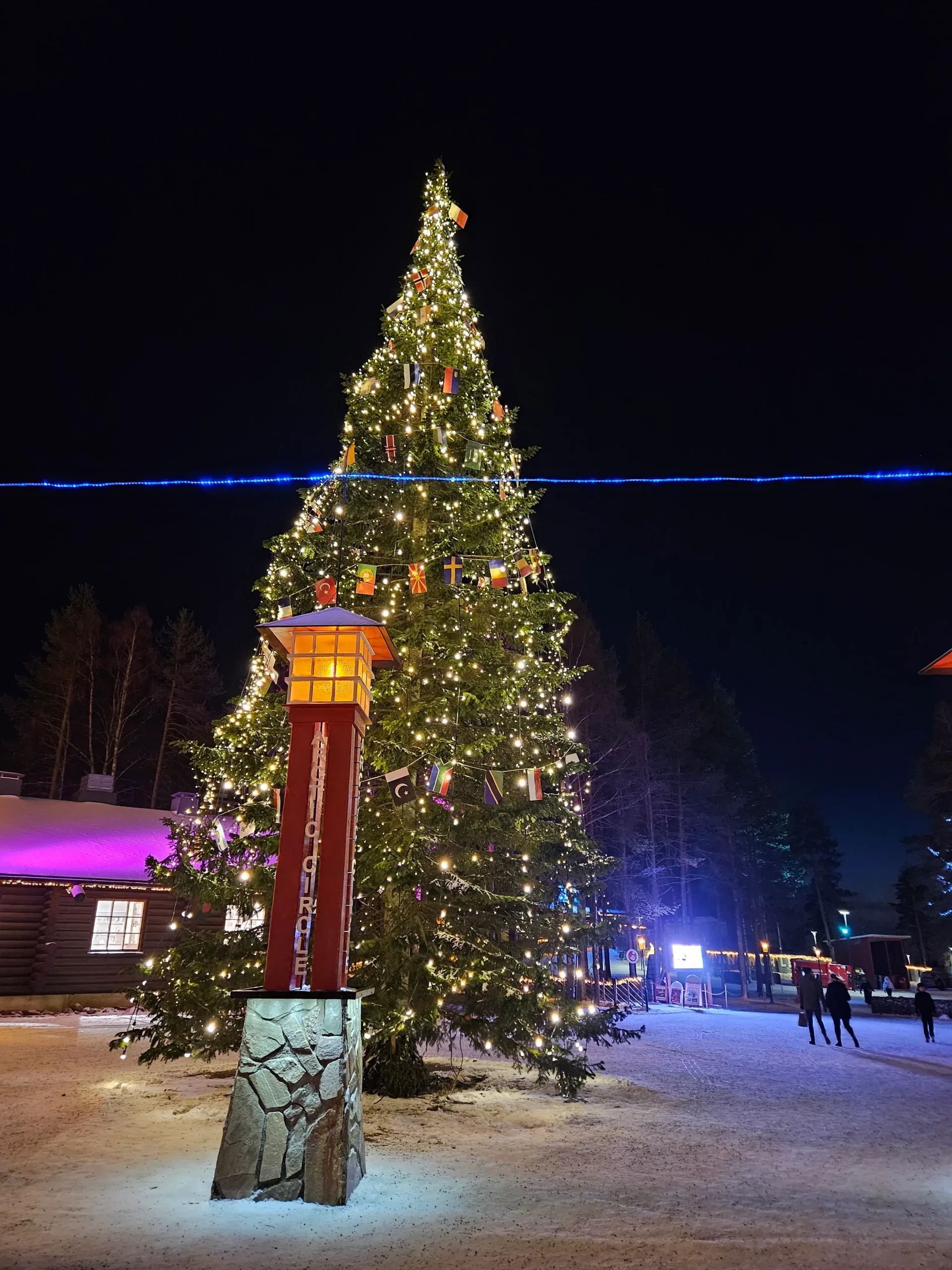
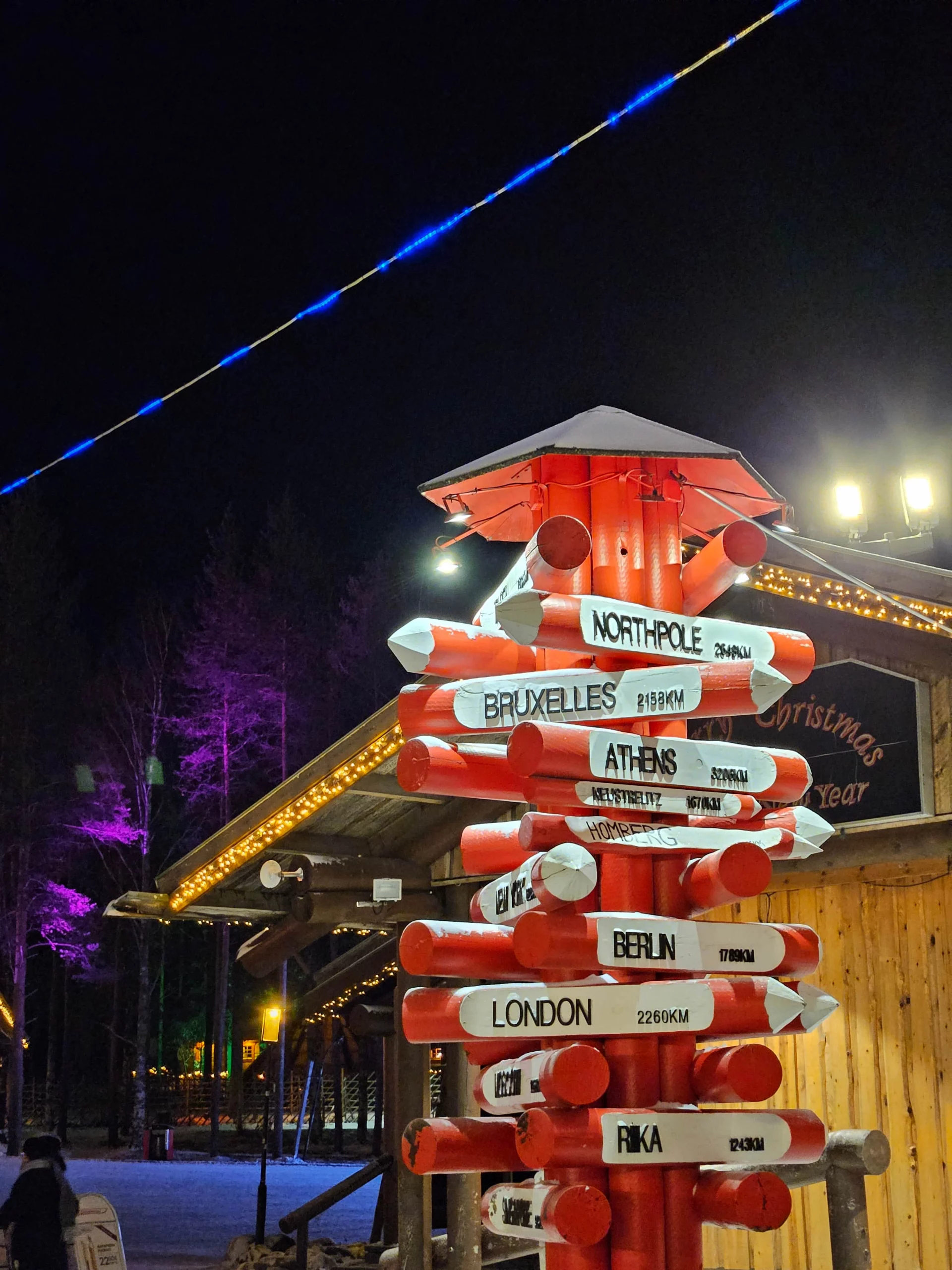
At Santa Claus Village in Rovaniemi, a painted line marks the boundary of the Arctic Circle. Standing right over it, the once-unreachable Arctic suddenly felt tangible. Yet, a part of me still felt unsatisfied—almost like flying all the way to the pristine waters of the Maldives only to dip your toes in and leave. Not that I’ve ever been to the Maldives, of course.
I think I’ve always harbored a quiet fascination with reaching the far northern edge of the map. Back in college, I used to browse Google Maps just to daydream about potential destinations, and the place that constantly caught my curiosity was Tromsø, Norway. It seemed to be the northernmost city that still had enough urban infrastructure for a comfortable journey.
Tromsø certainly crossed my mind when I began mapping out this trip. But as I dove deeper into the planning, I came across an article by an English-language travel blogger that introduced an incredible find: a hotel located in Saariselkä, a village far north of Rovaniemi, where you could experience both a private Finnish sauna and northern lights viewing straight from your room. That made the decision effortless. Reaching Saariselkä from Rovaniemi also looked far simpler than routing all the way to Tromsø.
Saariselkä is a tiny settlement situated about 250 km (155 miles) north of Rovaniemi. At 68°42’N, it sits well beyond the Arctic Circle threshold. Traveling this far north wasn’t just about the thrill of stepping deeper into the Arctic; there was a clear practical advantage, too. Being closer to the geomagnetic pole significantly boosts your chances of catching the aurora borealis.
Another 3.5 Hours North
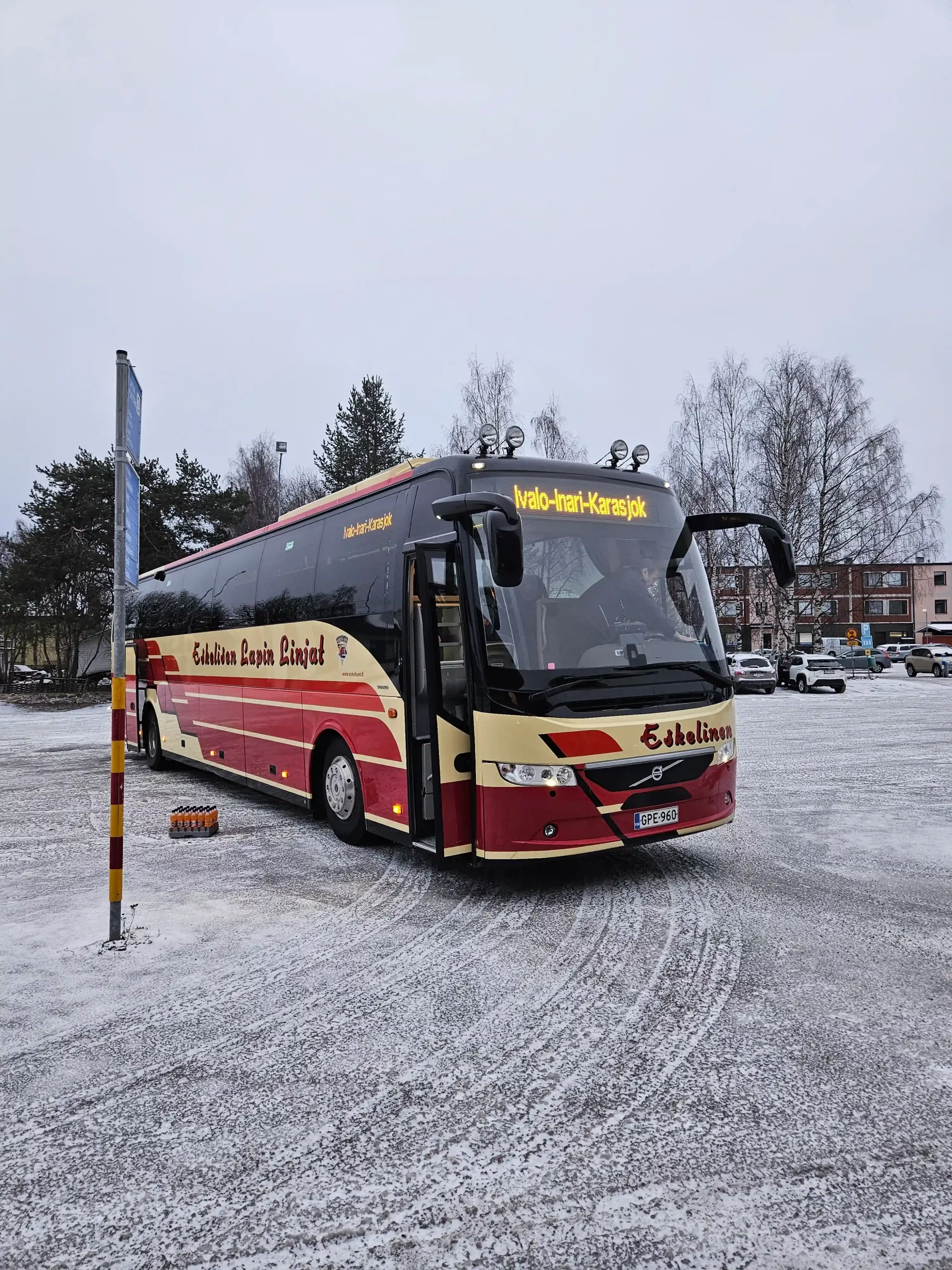
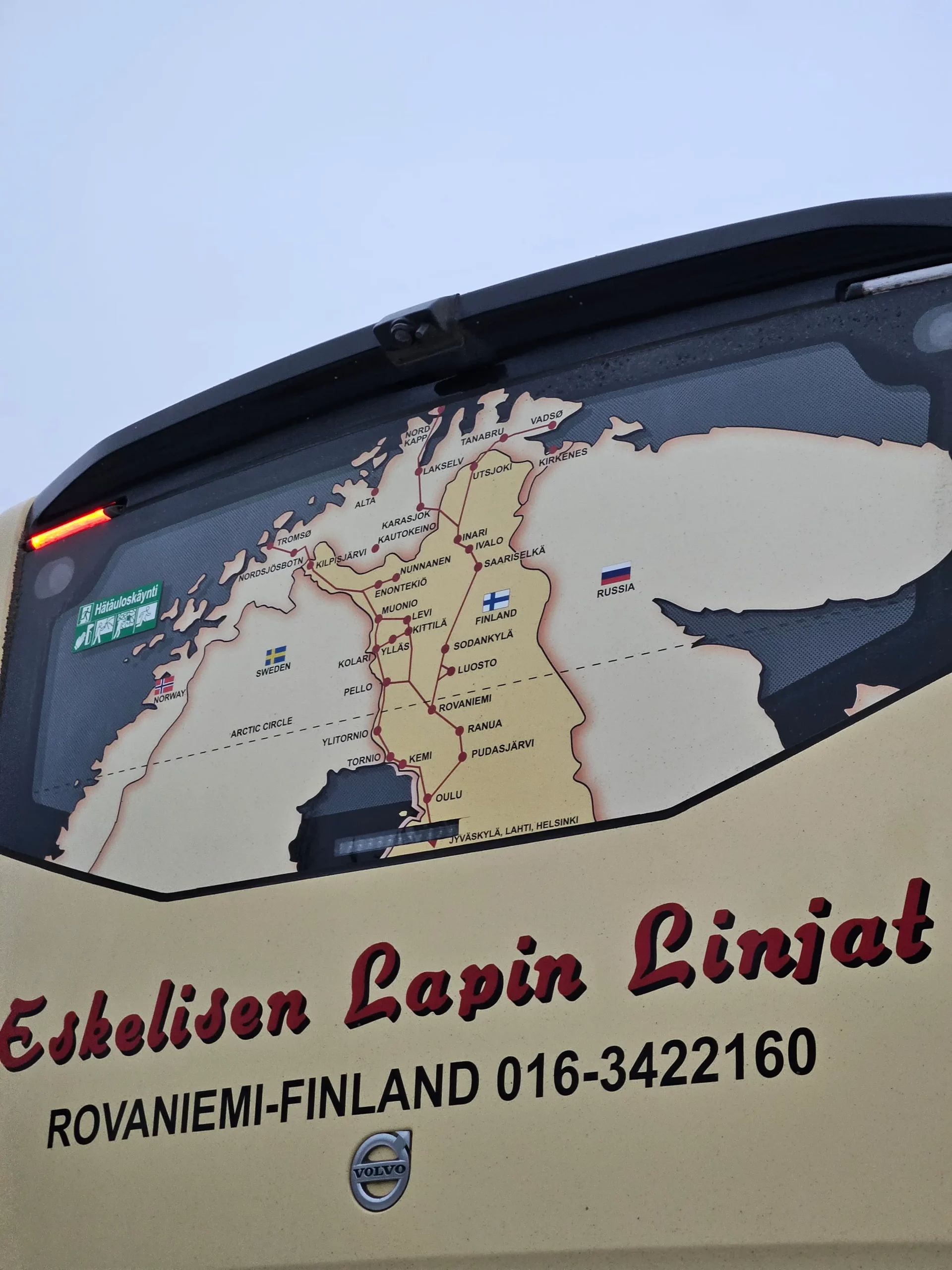
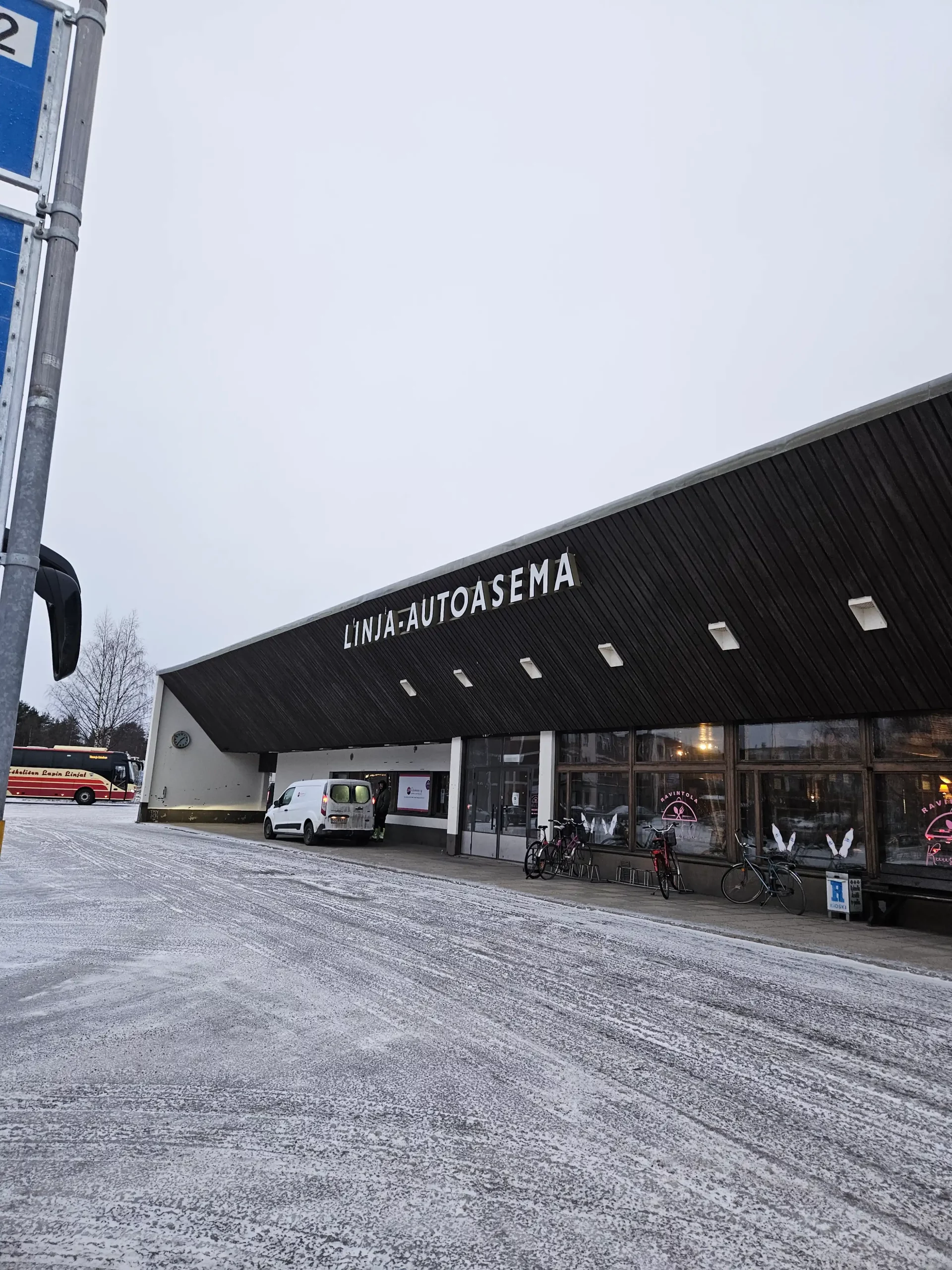
You can easily travel from Rovaniemi to Saariselkä by bus. After cruising north through the quiet wilderness for a while, the bus pulls into a small town called Sodankylä. Rather than a quick roadside drop-off, the bus takes a proper 15-to-20-minute layover at the local terminal.
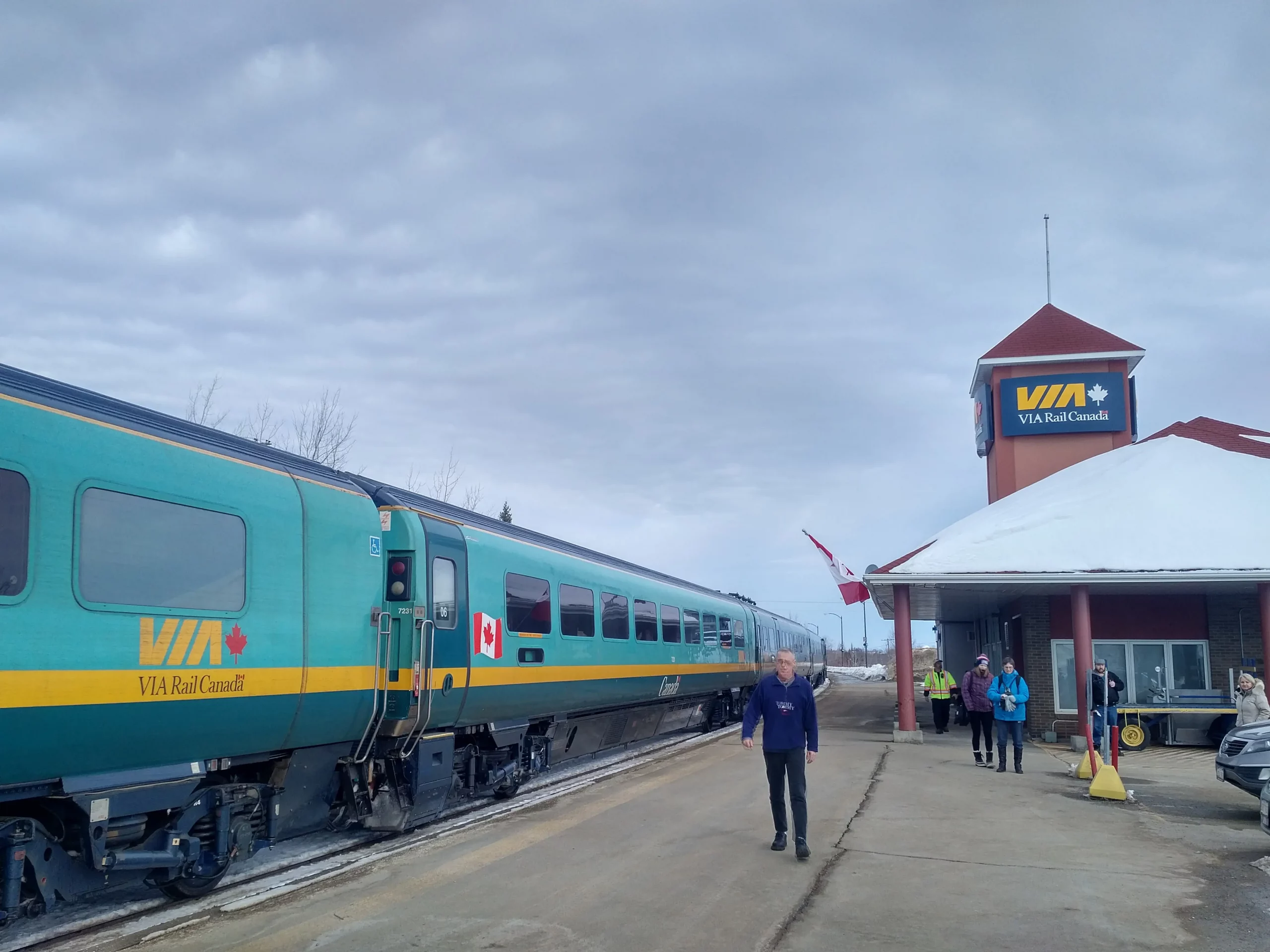
Having been seated for over an hour, I stepped outside to stretch my legs. It brought back memories of riding a cross-country train across Canada for over 30 hours years ago. While trains give you room to walk the aisles, being trapped indoors for days on end still makes you restless. Back then, I loved when the train stopped at larger stations; the conductor would announce the duration of the stop, and I would hop out onto the snowy platform, breathe in the crisp mountain air, soak up the sunlight, and watch passengers bustling along remote backcountry stations.
The day I rode the bus to Saariselkä, the sky was overcast and lacked that warm Canadian sunshine, but taking a deep breath of the freezing, clean Arctic air outside instantly lifted my spirits. With both passengers and the bus refreshed, we pulled back onto the highway and continued our journey north.
That Magical Moment
The further north we drove, the more pristine and untouched the landscape became. Every now and then, small groups of three or four wild reindeer would appear right along the roadside. Seeing well-paved roads, power lines, and seamless infrastructure running through this remote Arctic expanse made me genuinely appreciate Finland’s engineering.
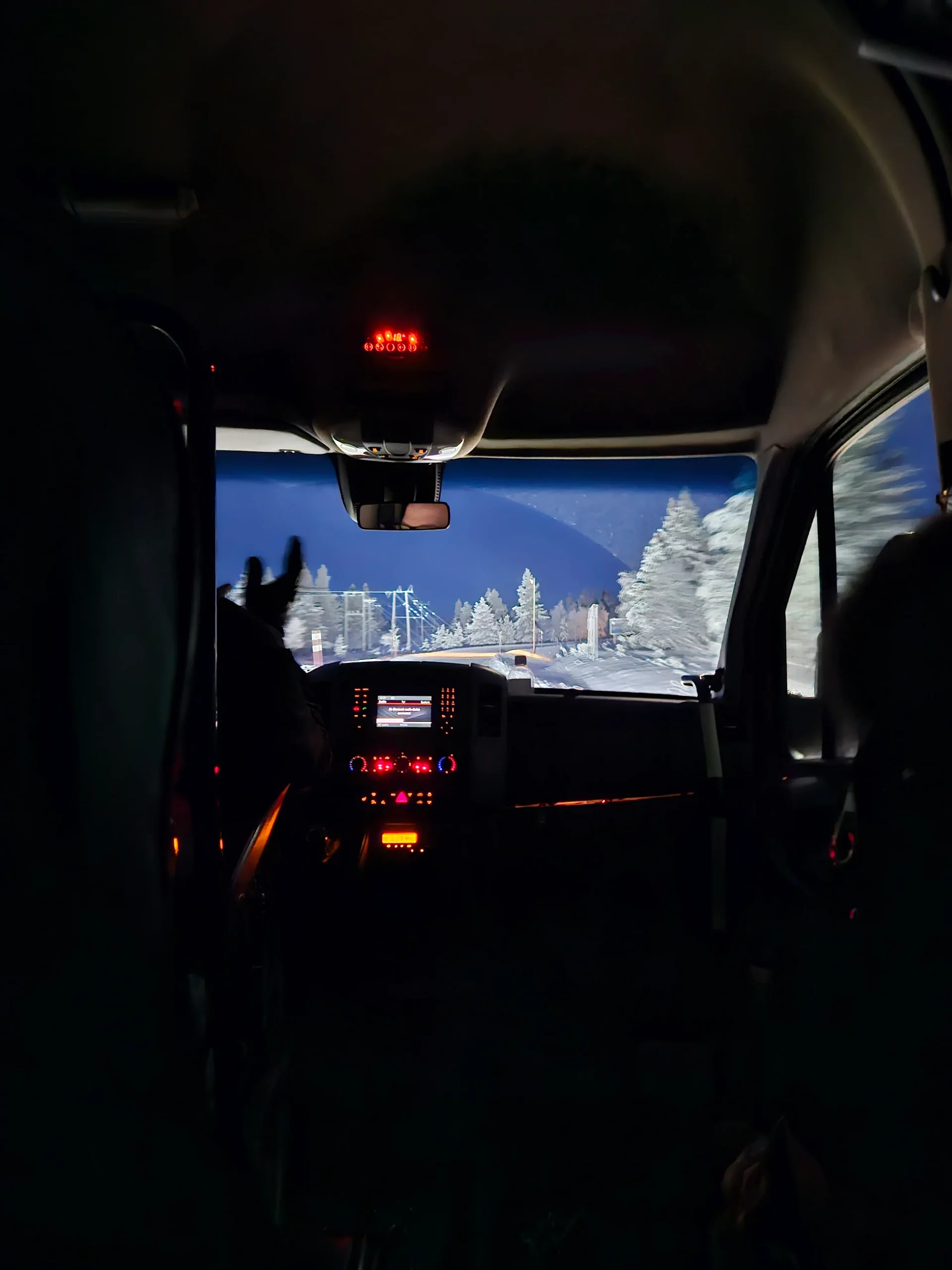
Just past 2:00 PM, the sun began to slip beneath the horizon. Living in Texas, one thing you learn quickly is that flat land keeps daylight lingering much longer after sunset. In Korea, mountains cast early shadows that darken the sky well before official sundown, whereas in Texas, the open flat horizon stays luminous long after the sun dips below the edge. The terrain heading toward Saariselkä isn’t quite as flat as Texas, but it isn’t towering with high mountains either. Still, as sunset approached, the sky dimmed rapidly, and darkness moved in fast. While astronomical night takes a couple of hours to fully settle, by the time we arrived in Saariselkä around 3:30 PM, night had already draped itself comfortably over the town.
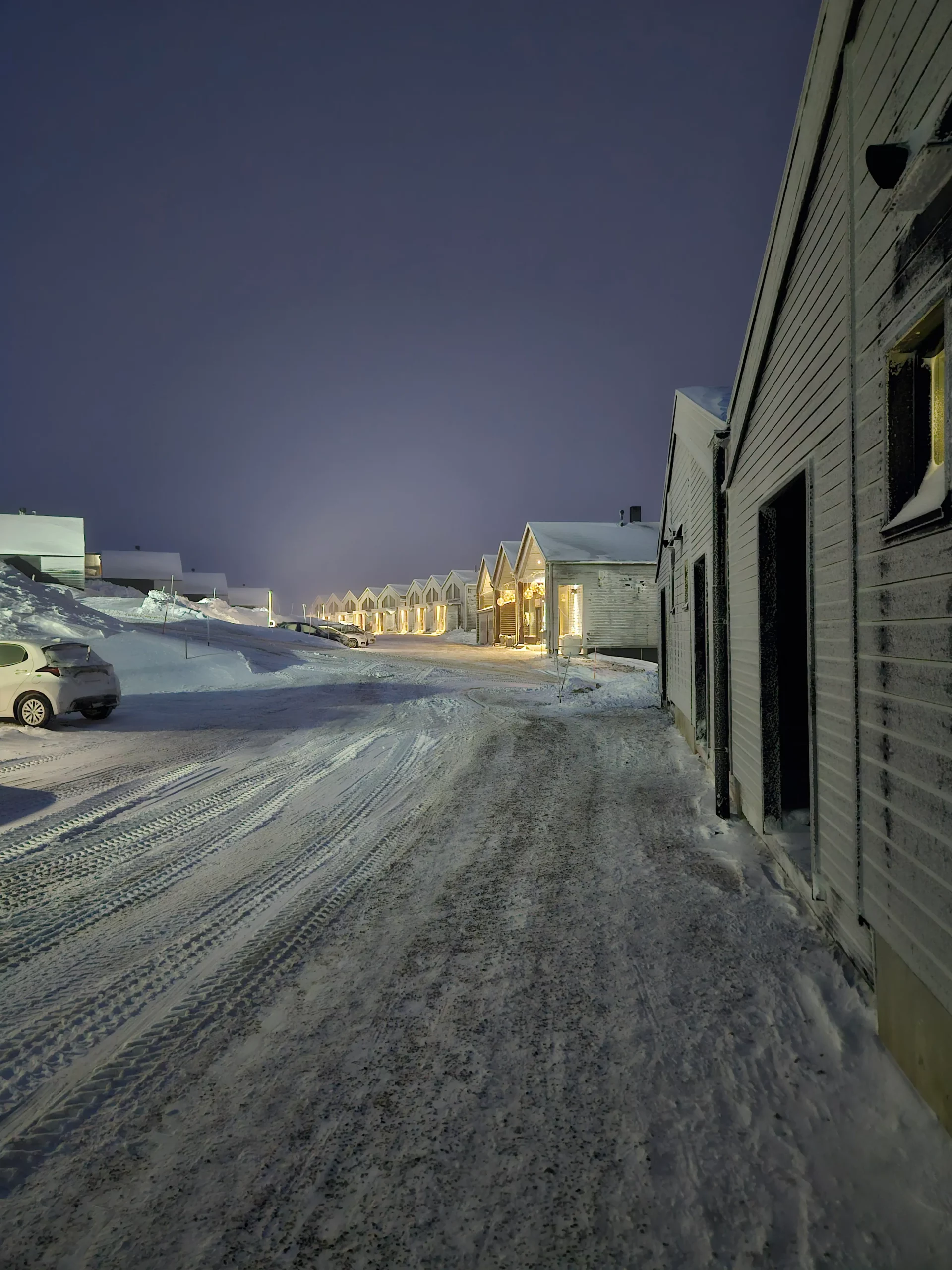
Saariselkä is a tiny village of only about 350 residents—hardly large enough to be called a town. Yet during the winter ski and aurora season, it comes alive with travelers arriving from all corners of the world. By late November, with peak season just kicking off, the village was already buzzing with quiet excitement. Looking around at the vibrant winter scene, you’d never guess that fewer than 400 people call this place home year-round.
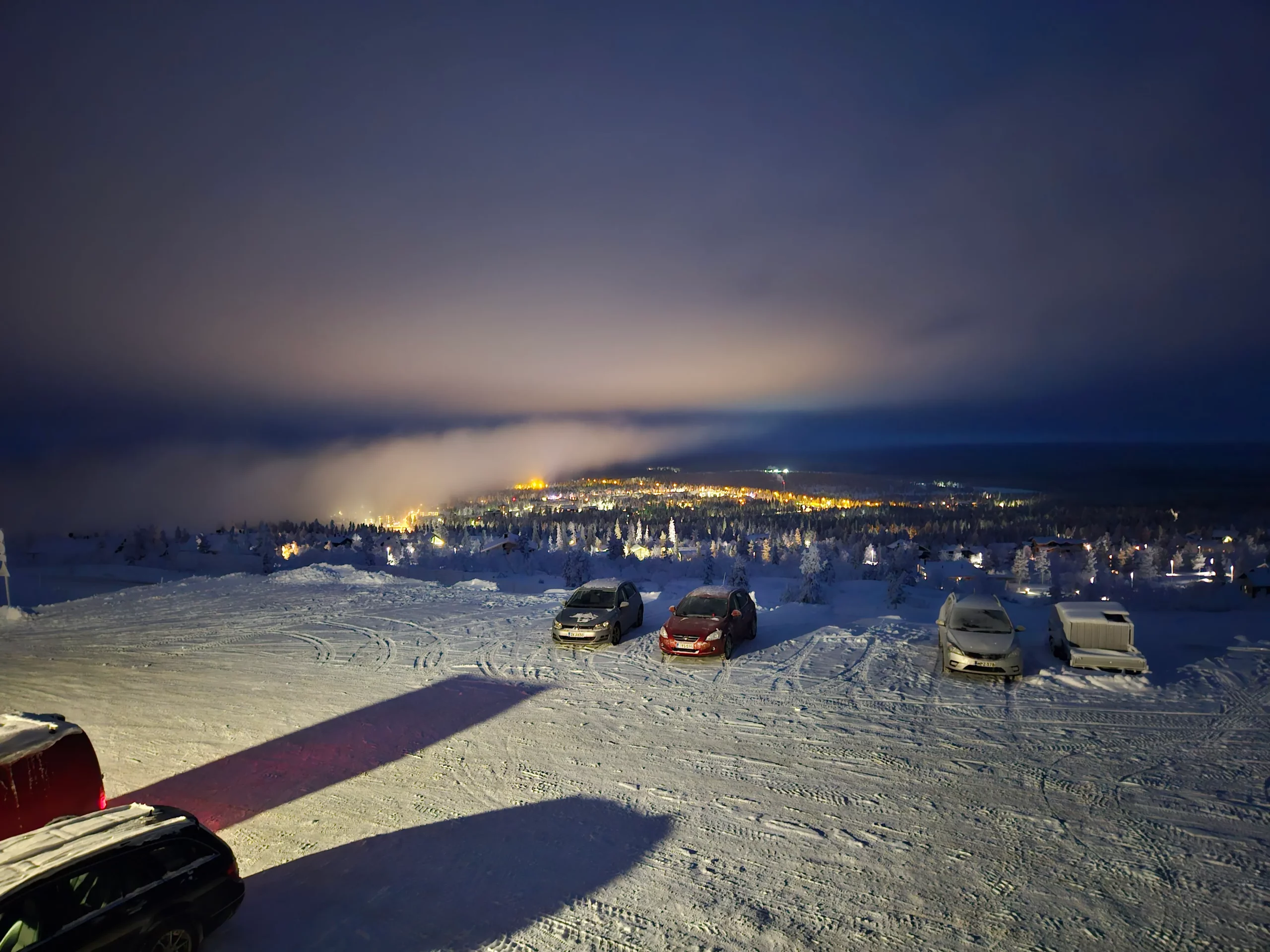
I stayed at Star Arctic Hotel Saariselkä, perched near the summit of Mount Kaunispää. While other lodges down in the village sit sheltered among snow-laden pine trees, Star Arctic stands high on the ridge, offering sweeping, panoramic views. Stepping into the room, the entire village of Saariselkä opened up below the floor-to-ceiling windows.
The sun had set and darkness was rolling in, but it wasn’t pitch black yet—a soft, glowing blue dusk lingered in the air. In most parts of the world, that magical blue hour barely lasts thirty minutes. But here in Saariselkä, that surreal twilight held its ground for well over an hour—a truly magical window of time in the Arctic.